The Soft Launch Is Not Just a Tease. It Is a Relationship Boundary in Public

A hand across a restaurant table, two coffee cups, the edge of an unfamiliar shoulder: the relationship soft launch is designed to reveal and withhold at the same time. It gives followers enough information to notice a new person without identifying them completely. The format is often treated as a playful internet game, but it can also be a real negotiation about privacy, commitment and who gets to define the relationship in public.
A hard launch makes the partner and relationship explicit. A no launch keeps the relationship off the account. The soft version sits between them, using clues rather than a full introduction. That middle position can be useful when a couple wants to share happiness without exposing a new partner to strangers, family questions or a permanent search trail before both people feel ready.

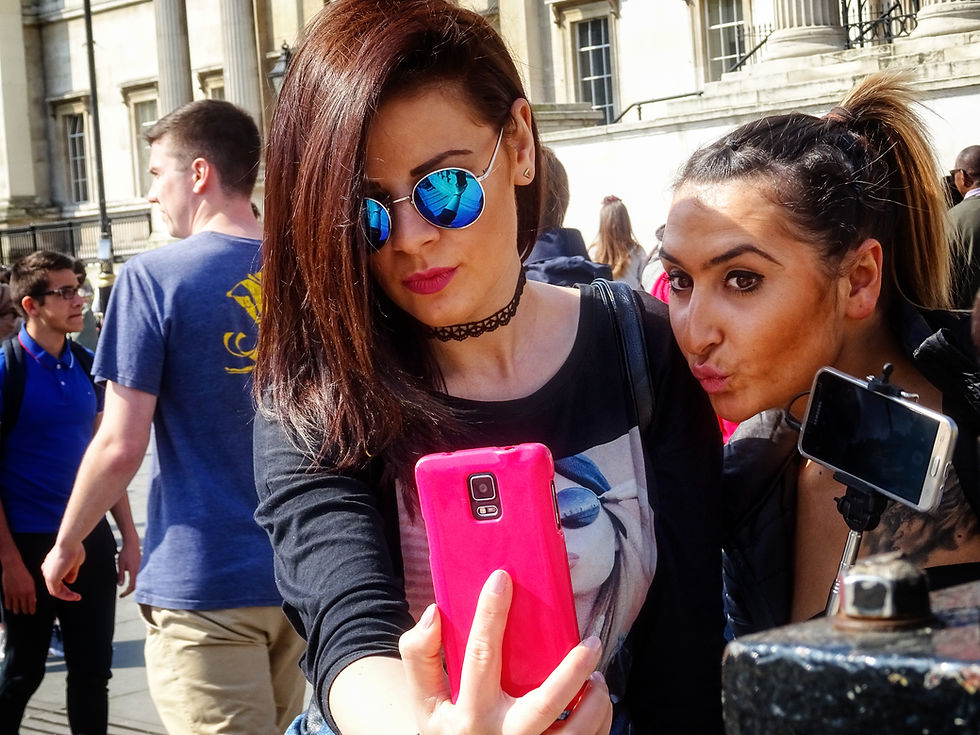
The healthiest posting rule is the one both people understand before a private moment becomes public content. Image: Shixart1985 / CC BY 2.0
Recent communication research has started to study the practice rather than dismiss it as slang. A 2025 study in the Southern Communication Journal developed a measure of intentional relationship disclosure on Instagram and found that launch choices were associated with variables including commitment, satisfaction and investment. The research does not provide a universal rule. It confirms that posting behavior can carry relationship meaning for the people involved.
The meaning is not fixed. One person may see a cropped photo as respectful privacy, while the other reads it as reluctance or embarrassment. Pew Research has found that social media can bring couples closer and can also produce jealousy or uncertainty. The post itself is rarely the entire problem. Conflict grows when partners silently assign different meanings to the same public signal.
Before posting, ask a direct question: are we comfortable being visible, and what details stay private? Discuss faces, names, locations, workplaces, children and whether old posts would remain after a breakup. The conversation may feel less romantic than choosing a photograph, but it prevents one partner from discovering a boundary only after friends begin sending screenshots.
Creators have an extra complication because a relationship can become content. A partner who appears in a popular post may attract attention they did not expect, while the audience starts treating ordinary life as a continuing storyline. Decide whether the partner is participating occasionally or becoming part of the account’s public identity. Those roles affect consent, compensation and the freedom to step back later.
A soft launch should not become a test designed to provoke jealousy or force a commitment conversation through comments. Posting a clue to see how a partner reacts turns an audience into leverage. If the relationship needs clarity, the answer belongs in a private conversation. Public ambiguity can be stylish, but it is a poor substitute for asking where the relationship stands.
Privacy also differs from secrecy. A private couple may be known to family and friends while choosing not to document the relationship online. Secrecy can involve denying or hiding the relationship from people who reasonably matter. Social media cannot diagnose the difference by itself. A blank grid is not proof of a problem, and a constant stream of couple photos is not proof of security.
The practical rule is mutual control. Get permission before posting an identifiable image, avoid revealing a location in real time without agreement and do not assume that earlier consent covers every future post. Revisit the decision as the relationship changes. A hard launch that felt exciting at six months can create a different privacy concern when careers, family or public attention shift.
The soft launch survives because it expresses something many people genuinely want: recognition without total exposure. It can be flirtatious, careful or strategic, sometimes all at once. It also leaves room for a relationship to develop before strangers turn an early chapter into a permanent public record. The healthiest version is not the one that generates the most guesses. It is the one where both partners already know what the post means, what it leaves private and why that boundary works for them.


Comments