Outfit Repeating Is Not a Fashion Failure It May Be the Best Style Upgrade You Make

Fashion feeds are designed to make a repeated outfit feel like missing content. A new event appears to require a new dress, and a familiar jacket can seem invisible after it has already been photographed. In ordinary life, however, repeating clothes is not a failure of imagination. It is how a wardrobe becomes personal. The most recognizable style often comes from returning to the same pieces with better combinations, not from replacing them.
Begin by separating a garment from its first “complete” outfit. A black slip dress may have entered the closet with heels and evening jewelry, but it can also sit under a sweater, over a thin knit or beside flat boots and a jacket. The dress has not changed; the proportion, texture and level of formality have. Thinking in components creates more options than storing one fixed photograph in your head.

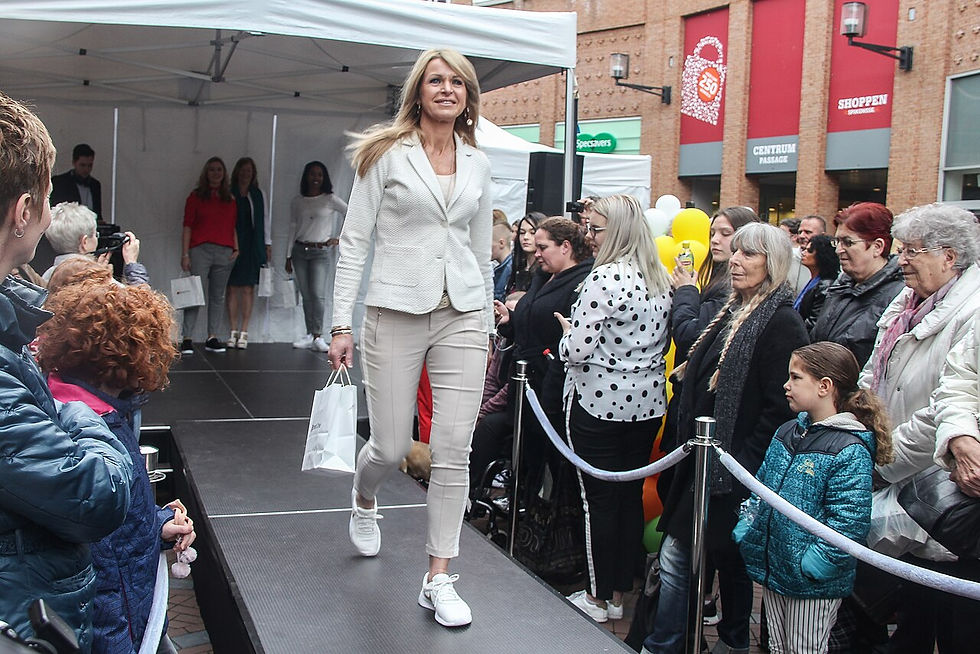
A repeatable wardrobe becomes more versatile when clothes are styled as combinations instead of one-time looks. Image: mycurrency.com / CC BY-SA 4.0
Silhouette makes the biggest difference with the fewest purchases. A shirt worn loose creates a different line when tucked, tied or layered open. Trousers can shift from relaxed to structured depending on the shoe and jacket. Rolling a sleeve, changing the visible waist or adding a longer outer layer alters the shape before color or accessories enter the decision. Photograph the combinations so good experiments are not forgotten.
Color can turn repeating into a deliberate signature. Choose a base piece and pair it once with neighboring shades, once with high contrast and once with a tonal palette. The same brown trousers may work with cream, bright blue and several deeper browns. A limited palette is not boring when materials differ. Denim, wool, leather, cotton and shine catch light differently even when the colors are close.
Accessories are useful when they change function or proportion, not when they become an excuse to buy more. A belt can reshape a coat or dress; a scarf can add color near the face; a larger bag may make a polished outfit feel practical. Jewelry, socks and eyewear can move the same base between moods. Start with what is already owned before shopping for the missing “finishing piece” suggested by an algorithm.
Footwear often determines whether an outfit reads as work, weekend or evening. Sneakers, loafers, boots and heels change posture as well as formality. That does not mean every wardrobe needs all four. It means a person should identify the two or three shoe categories that match real life. A closet becomes more wearable when it supports the places someone actually goes rather than an imaginary calendar.
Care is part of styling. Clothes cannot become repeat favorites if they shrink, lose shape or remain buried because a small repair is delayed. Read labels, air garments when appropriate, remove stains carefully and use a tailor or repair service when the value justifies it. Textile organizations including WRAP and the Ellen MacArthur Foundation emphasize longer use because extending a garment’s life reduces the pressure created by constant replacement.
Social media can support outfit repeating instead of undermining it. Creators can show one item across a week, disclose when pieces are borrowed or gifted and explain why a combination worked. That kind of content provides more value than seven unrelated hauls. De-influencing becomes most useful when it moves beyond saying “do not buy” and demonstrates how to get more from what people already own.
There is no moral requirement to turn every garment into a hundred looks. Some clothes are specialized, sentimental or simply difficult. The goal is not to perform sustainability perfectly. It is to notice which pieces earn their space and which purchases repeatedly fail. A short note about fit, comfort and styling can prevent the same mistake from returning under a different trend name.
Outfit repeating becomes stylish when it looks chosen rather than apologetic. Keep the base, change one or two meaningful variables and wear the result with the confidence of someone who knows the clothes work. Trends can still enter the wardrobe, but they should join an existing language. The best style upgrade may be realizing that the outfit people remember is not proof you need another one—it may be evidence that you found your signature.

Comments