
Christy Turlington Opens Sabyasachi's New York Comeback in Head-to-Toe Denim

NEW YORK — Christy Turlington opened Sabyasachi Mukherjee's Spring 2027 runway show in head-to-toe denim, giving the Indian designer's first New York presentation in 20 years an image built to travel. The casting carried instant recognition, but the look did more than supply a celebrity moment. It introduced a collection that filtered American Western clothing through Indian craft, ornament and a global luxury vocabulary.
Vogue reported that the show began with Turlington before moving through crisp indigo jeans, plaid shirts, jeweled jackets, boleros, brocades and hand-painted silks. Mukherjee described the concept as “Bengal Byzantine Broadway,” a phrase that captures the collection's deliberate collision of place and scale. The clothes were familiar enough to read immediately and detailed enough to resist becoming simple Americana.

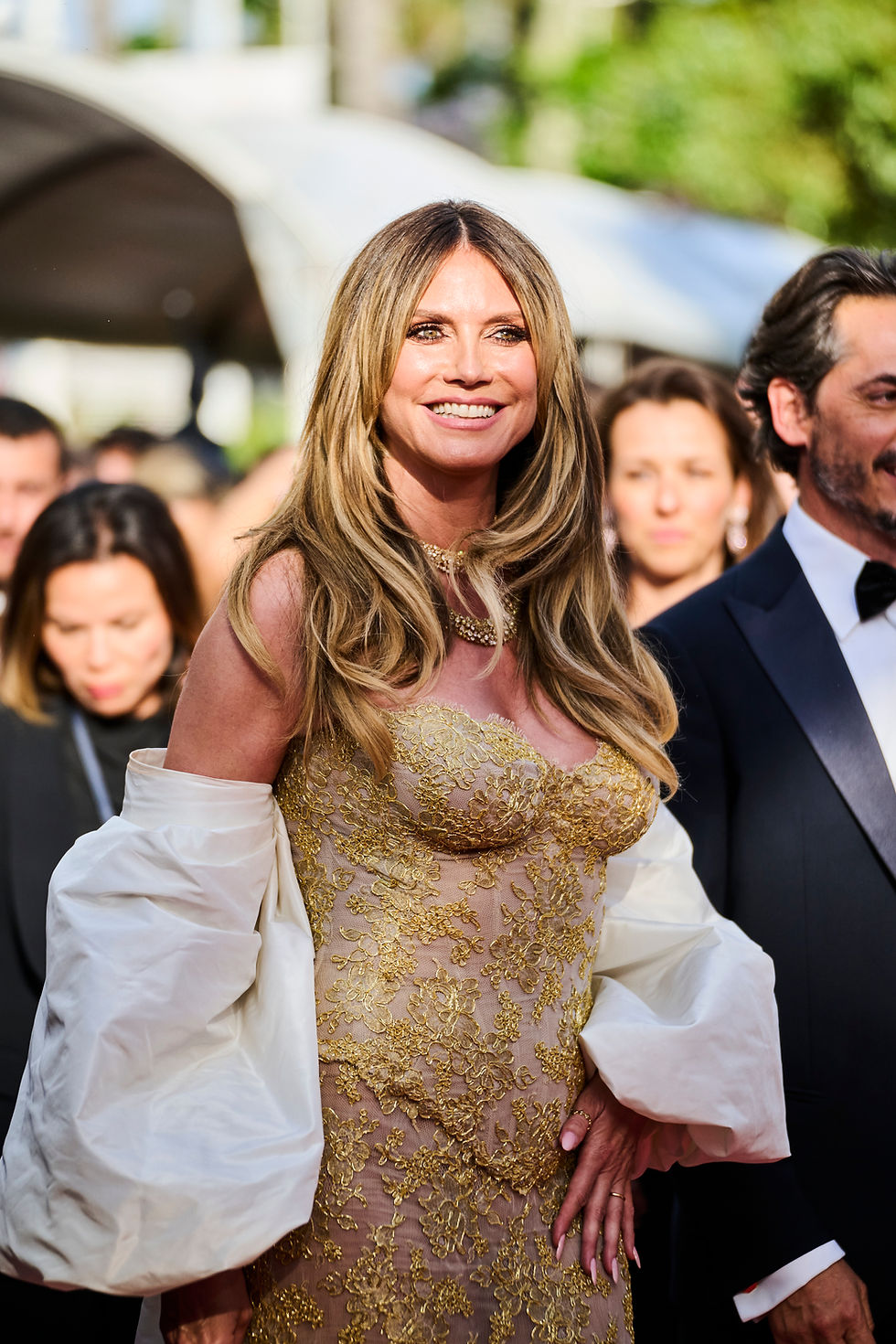
Photo: Colleen Sturtevant / WikiPortraits · CC BY-SA 4.0
Turlington's presence mattered because she represents a model of fashion visibility different from the rapid cycle dominating social feeds. Her career stretches across decades, yet she remains relevant without performing constant access. Opening the show connected Sabyasachi's comeback to fashion memory while giving younger audiences a clean entry point through an instantly shareable runway image.
For the designer, New York is not a new market but a renewed stage. The CFDA listed Sabyasachi among the additions to the official September schedule, and the return came after years of building an international business through couture, bridalwear, jewelry and highly controlled retail environments. A runway presentation exposes that brand world to a faster public test: editors, buyers, celebrities and creators respond before the final model has left the room.
The denim opening was strategically sharp. Denim is one of the most global materials in fashion, associated with labor, rebellion, youth and luxury depending on the cut and context. By treating it as a base for Sabyasachi's more ornate language, the collection translated craft without reducing it to costume. The result invited close-up content while maintaining a silhouette visible from across the venue.
That balance is especially important now that runway communication happens in two dimensions at once. Designers must create a coherent show for the room and a sequence of fragments for phones. A jeweled surface may dominate a detail video; Turlington's entrance becomes the headline clip; the broader collection has to survive beyond both. Strong fashion storytelling gives each image a role without allowing one viral moment to misrepresent the whole collection or its authorship.
TheiMedia recently followed New York Fashion Week's celebrity front-row style, where arrival photographs became a parallel runway. Sabyasachi reversed that direction by placing a globally recognized figure inside the collection's first look. Heidi Klum's vintage-inspired campaign showed another way established models use personal history. Together, these moments suggest that longevity is not the opposite of novelty; it can give novelty a stronger frame.
The collection also arrives during a wider reconsideration of who defines global luxury. Indian craft has long influenced Western fashion, often without equal visibility for the designers, artisans and cultural systems behind it. Mukherjee's New York return does not solve that imbalance by itself. It does, however, place an Indian luxury house in control of the narrative, presenting East-West exchange as authored design rather than anonymous inspiration.
For creators covering the show, accuracy matters as much as enthusiasm. Turlington opened the runway, but the story is not that she designed the collection or represented every look. Mukherjee's own explanation, the materials and the sequence should shape coverage alongside celebrity reaction. Fashion content becomes more useful when it names the craft, the reference and the business strategy instead of stopping at a famous face.
The comeback succeeds as a media moment because it contains several stories at once: a designer returning to New York after two decades, a supermodel opening in denim and a collection making American archetypes answer to Indian workmanship. Whether it becomes a commercial turning point will depend on buyers and clients. As an image of fashion's changing center, however, Turlington's first walk already did its job today.


Comments