How Red-Carpet Styling Really Works Behind the Photographs

A red-carpet outfit may be judged in seconds, but the look usually begins weeks or months earlier. Celebrity styling combines fashion research, public-image strategy, designer relationships, logistics and technical problem-solving under a deadline that cannot move.
The stylist begins with the event and the client. An awards ceremony, premiere, fashion gala and press tour each demand a different level of formality. The client’s comfort, personal taste, contractual relationships and the story they want to tell all shape the search.

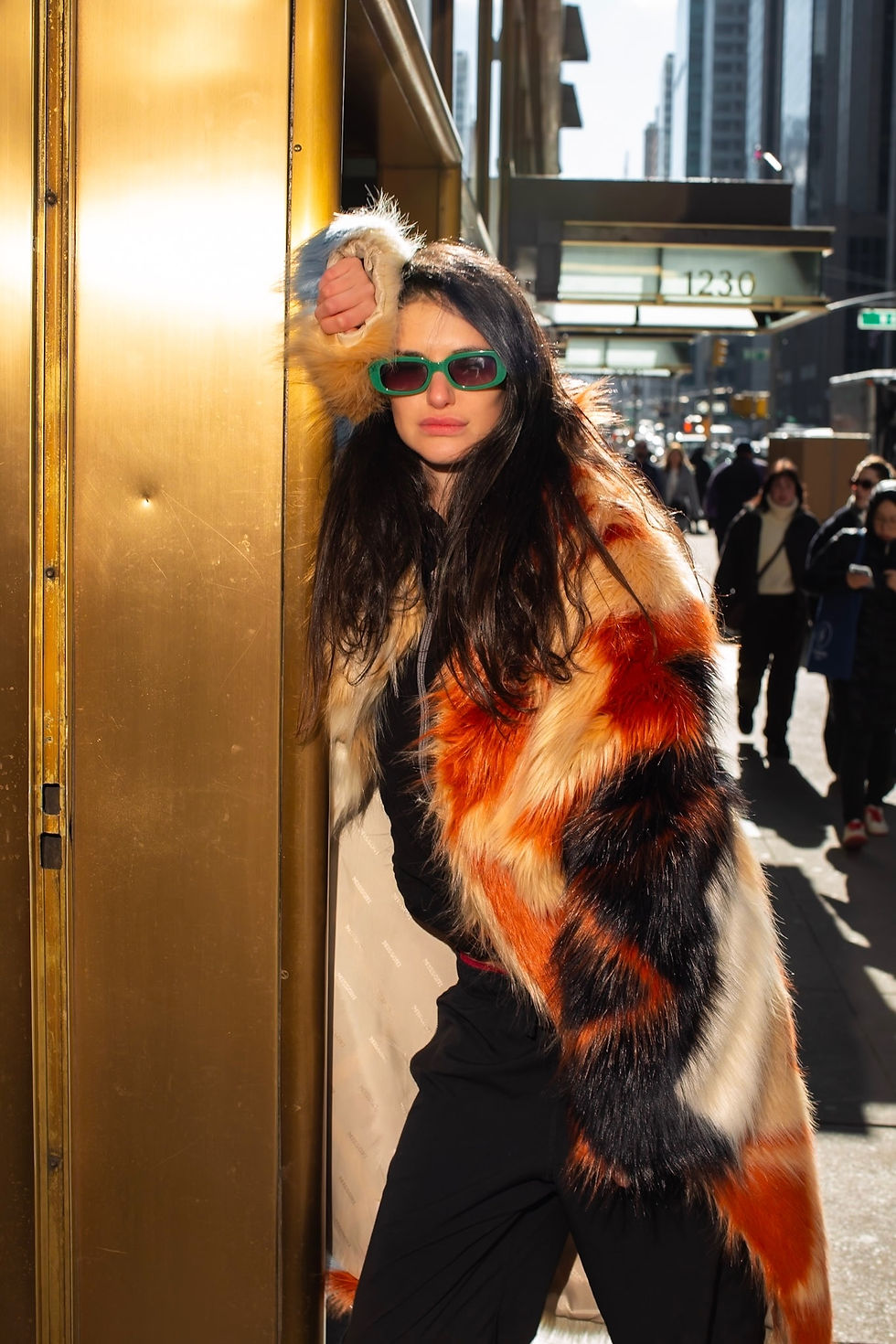
Photo: Eva Rinaldi/Wikimedia Commons, CC BY-SA 2.0.
Designers and public-relations showrooms provide many of the clothes seen on carpets. A stylist requests—or “pulls”—options based on a client’s measurements and the event. Established houses may reserve a runway look, offer an archival piece or create something custom for a highly visible appearance.
A loan is not a casual gift. The garment is tracked, insured, transported and expected to return in agreed condition. Jewelry can require security, detailed paperwork and a representative who delivers and collects the pieces. Independent designers may receive major exposure, but they can also carry shipping and tailoring costs that larger brands absorb more easily.
Several choices are usually gathered for a fitting because a photograph cannot predict how fabric will move on a particular body. The strongest concept can fail if the garment restricts walking, sitting or breathing. A backup look is essential when a zipper breaks, weather changes or another celebrity appears in the same piece first.
Tailoring transforms the selection into a finished look. Hem length, shoulder position, undergarments and closures influence how clothing sits under harsh lighting and from every camera angle. Stylists repeatedly emphasize that fit and confidence matter more than the label.
Hair, makeup and grooming are part of the same visual sentence. Teams share references so color, texture and proportion work together. A sculptural dress may call for restrained hair; a minimal suit can leave room for stronger beauty choices. Coordination prevents several individually dramatic ideas from competing.
Fashion houses have commercial reasons to participate. A widely photographed placement can introduce a collection to millions of people and attach the brand to a performer’s cultural moment. The celebrity receives access to exceptional clothes, while the designer receives global editorial and social exposure.
That exchange does not mean every appearance is paid. Some are straightforward loans, some are connected to ambassador contracts and others involve broader relationships covering campaigns and appearances. Responsible coverage should distinguish confirmed sponsorship from assumption.
The stylist also manages symbolism. Color, vintage references, emerging designers and archival fashion can communicate heritage, politics, character or career transition. The most memorable looks work because the clothing feels connected to the person and moment rather than appearing as an isolated costume.
After the event, the job continues. Garments are inspected, cleaned according to instructions and returned. Credits are distributed to media and social teams. Images are evaluated, and lessons about fit, movement and public reaction inform the next appearance.
Red-carpet fashion is therefore closer to image production than ordinary shopping. The photograph contains the work of designers, seamstresses, stylists, assistants, jewelers, couriers, hair artists, makeup artists and publicists. The glamour looks effortless only because the labor stays outside the frame.


Comments