Zaria “Duchess Dior” Carr’s Tragic Death Sparks National Reckoning on Influencer Culture and Domestic Violence
- Jun 17, 2025
- 3 min read
17 June 2025
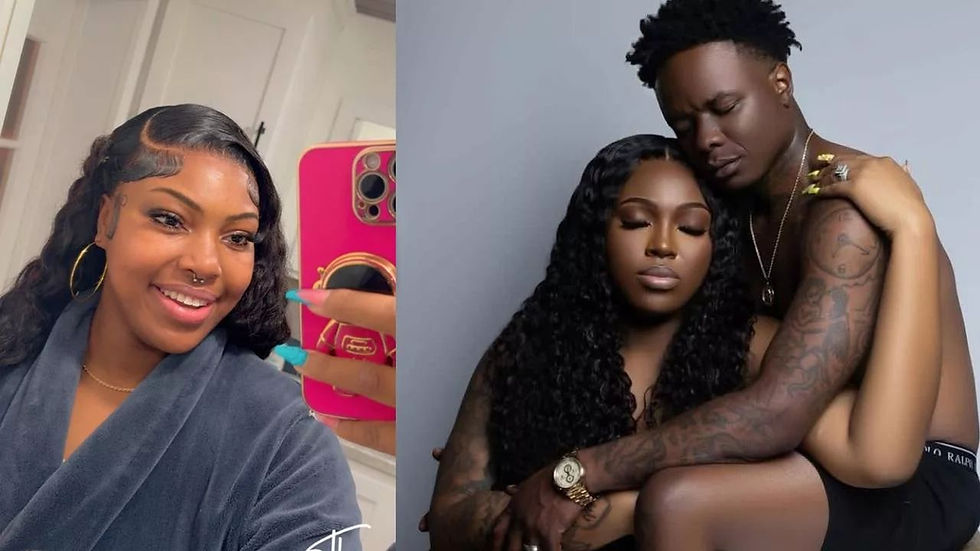
At just 27 years old, Instagram and TikTok influencer Zaria Khadejah Carr known to her devoted following as “Duchess Dior” had carved out a digital space of honesty, humor, and motherhood. Then, on June 14 in Twin City, Georgia, a heated livestream argument with her husband, Shamarcus “The Frenchman” Carr, turned fatal, shining a harrowing spotlight on intimate partner violence, online vulnerability, and the hidden dangers behind seemingly open lives.
The public confrontation began innocently enough: an Instagram Live in which the couple accused one another of infidelity, exchanging tense words for over an hour. In the video, Zaria sits tearful, but firm, declaring, “He’s getting mad because he doesn’t like the truth coming out.” Within hours, neighbors called police to their home. Zaria was discovered deceased from gunshot wounds. Her husband fled, only to die from a self-inflicted gunshot during a subsequent police pursuit
Investigators from the Georgia Bureau of Investigation and Wayne County Sheriff’s Office are piecing together what unfolded, while the couple’s two young children are left orphaned and traumatized an outcome fans and advocates are grappling to understand and process
For years, Zaria had shared candid vlogs, parenting insights, and reflections on marriage. Her authenticity especially during raw moments helped her gain tens of thousands of followers. Some applauded her openness, while others criticized her for oversharing. But few anticipated that behind the real-time updates lay a relationship teetering on the edge.
Now, the final livestream has been watched and re-watched. Viewers described moments when Shamarcus says, “You're going to make me kill you.” Chilling red flags in real time a warning unheeded until it was too late. After the shooting, fans poured into the comments section, heartbroken and guilt-ridden. “They hated each other but couldn’t release that bond,” read one poignant remark. Another called out the toxic dynamic: “People think these toxic relationships are cute until something extreme happens. You can see it in his eyes.” The comments reveal regret, sadness, and a demand to never ignore domestic tension again
The case lays bare deeper questions about the influencer economy, where followers crave transparency, and creators often broadcast their most intimate struggles to build connection and engagement. That openness can be a powerful force but it also exposes personal boundaries in a space without filters, structure, or protection.
“As an influencer, your curated and unfiltered selves coexist online,” notes digital media expert Dr. Aisha Patel. “But when personal conflict becomes public, it often lacks the nuance conversation would have behind closed doors especially when viewers become active participants, voicing concern, criticism, or voyeuristic engagement.”
Since the tragedy, hashtags like #DuchessDior and #EndDomesticViolence have trended on social media. Advocates are sharing resources, hotlines, and educational materials. Domestic violence organizations point out that intimate partner homicides often escalate when abuse becomes normalized over time especially when anger and control go unchecked.
Zaria’s death has already prompted calls for influencers to better understand the complexities they expose and the support systems they may need. Some mental health professionals suggest that public creators should have access to trauma-informed support, social media coaches who can help them recognize escalating red flags, and partnerships with nonprofit organizations as safety networks.
The aftermath also highlights a sobering reality: two young children now face a world without parents. Community fundraisers have launched, and local support services are stepping in. Still, nobody can fill the void left behind not even the digital connections once fueled by Zaria’s camera-worn sincerity.
For many followers, the loss feels personal. In thousands of compassionate posts, one message read: “I watched her videos every week, moments of joy, frustration, love. She made being a mom feel real. It’s devastating that this is how her story ends.” These thoughts resonate across the network bringing thousands together in grief and urgency.
While media reports continue to unfold, there is consensus that this tragedy isn’t just another celebrity scandal it’s a shocking reminder that lives don’t follow a script. Even as creators share snapshots of life, what they cannot broadcast can still destroy in silence.
In coming days, the investigation may provide more details. But the biggest questions already asked of viewers, creators, and platforms alike are clear: How do we better protect those who turn personal struggle into public content? When does transparency need to yield to boundaries? And how do we reconcile a world where digital vulnerability breeds visibility and sometimes, violence?
Zaria “Duchess Dior” Carr stepped into our screens offering warmth and truth. In the end, her last message broadcast under duress was both a plea and a testament. The crisis that ended her life needs to be scholarship, activism, and system-building. If influencers are to remain open, they also deserve informed safety nets. Because behind every screen is someone real and losing her should demand more than likes or comments. It should demand change.


Comments