YouTube’s New Creator Tools Put More Money—and More Responsibility—Inside the Platform

YouTube’s latest product push is designed to keep more of a creator’s business inside YouTube. Announced at Made on YouTube, the new tools span brand partnerships, shopping, live video, artificial-intelligence assistance and channel management. For creators, the opportunity is broader than a fresh editing feature. The platform is trying to become the place where an idea is developed, produced, distributed, sold and measured.
Creator Partnerships is expanding to 20 countries and aims to simplify the exchange between channels and advertisers. Creators can make selected videos available for brand use with fewer steps, while companies gain clearer ways to discover and evaluate potential partners. The convenience could reduce administrative work, but it also makes contract literacy more important. Easy access does not make every usage term fair.
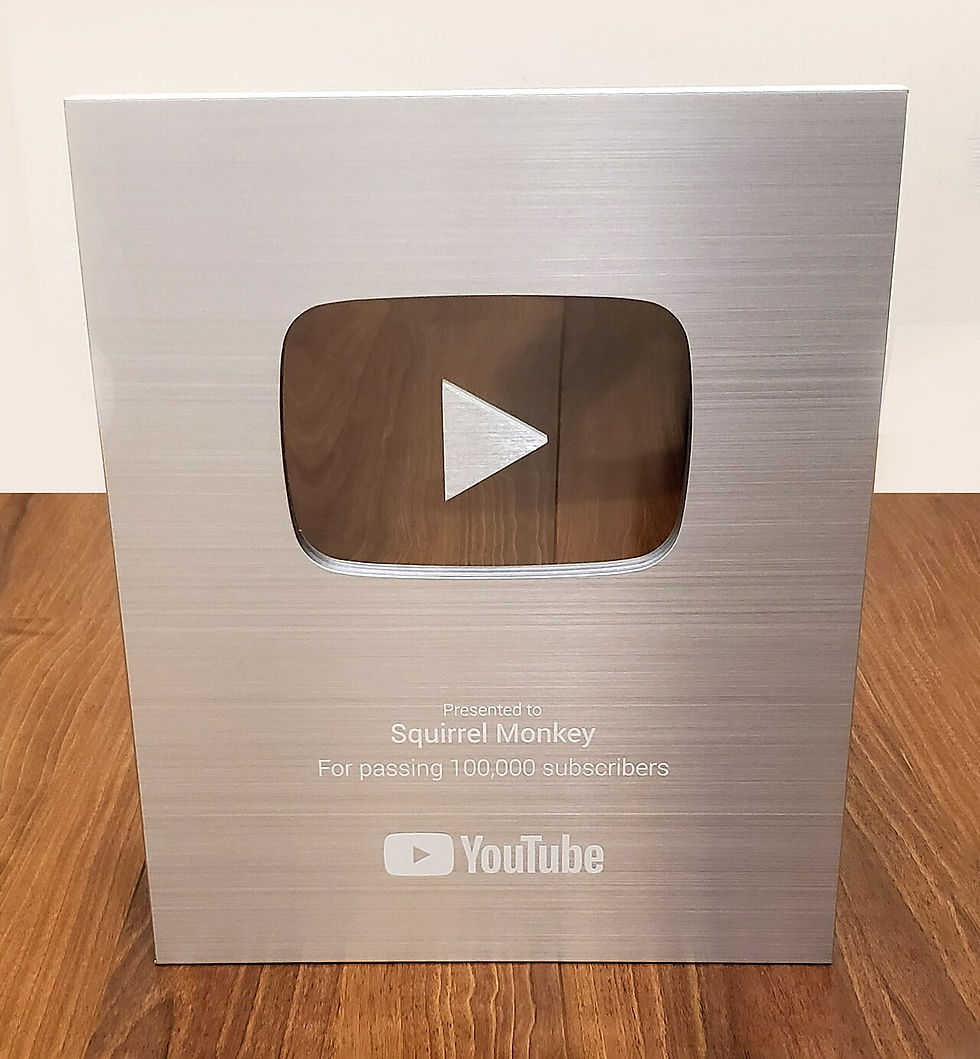
A YouTube Creator Award, one symbol of the platform economy that new tools are designed to expand. Image: Luijtenphotos / CC0 1.0
YouTube Shopping is also widening its affiliate reach, with the company saying the program will expand to 35 countries by the end of the year. Localized product tags are intended to show viewers items available in their own markets. That can make older videos more commercially useful because a recommendation may keep generating revenue after its first week. It also increases the need for clear disclosure and honest product selection.
Studio tools are moving deeper into creative decision-making. YouTube says creators will be able to request early guidance, explore draft ideas and test as many as three cuts of a video. “Ask Studio” is meant to surface information from analytics and audience response through a conversational interface. Used carefully, those tools can shorten research time. Used mechanically, they can encourage channels to make the same safe decisions.
Artificial intelligence is appearing in production as well. The company announced conversational editing for Shorts and Create, along with expanded dubbing and other assistance. YouTube says more than 20 million videos are uploaded daily, so discovery is already intensely competitive. Faster tools may help smaller creators publish, but speed alone cannot create a point of view. If everyone receives similar suggestions, originality becomes more valuable, not less.
Live video receives a significant update. YouTube reported that more than 600 million logged-in viewers watched live content, including archives, on an average day in August. New features include collaborative formats, “Watch With” experiences and a planned live auto-dubbing pilot. International reach could improve, although creators should review how translations handle tone, names and sensitive subjects before trusting automation completely.
The likeness-detection expansion is one of the more consequential protections. Mobile access can help creators identify suspected unauthorized uses of their face. That does not solve synthetic impersonation, but it gives channels another monitoring route as AI-generated media becomes easier to produce. Rights systems will be judged by response speed and enforcement, not by the announcement alone.
For working influencers, the business lesson is to separate platform convenience from ownership. Before granting a brand access, confirm duration, territory, paid-media rights, editing permission and whether the material can train or power other systems. Understanding how influencer brand deals really work remains essential even when the approval button looks simple. A one-click workflow can still authorize a complicated commercial use.
Audience trust is the other constraint. Shopping tags, sponsorship tools and fan funding can support sustainable work, but every surface cannot feel like a checkout page. Creators who explain why a product fits, disclose relationships and decline poor matches are more likely to preserve the credibility that makes monetization possible. Revenue features work only while recommendations still feel like recommendations.
Made on YouTube 2026 shows where the creator economy is moving: fewer separate tools, more integrated commerce and heavier reliance on AI. That can lower barriers and give creators useful leverage, especially across languages and markets. It can also deepen dependence on one company’s rules. Creators should export performance records, maintain contracts outside platform dashboards and avoid building a business that cannot survive a policy change. The strongest strategy is to use the new tools deliberately while retaining independent records, direct audience relationships and a clear sense of what the channel will not trade away.


Comments