Why AI Stars Like Tilly Norwood and Xania Monet Are Raking in Millions While the Industry Watches in Shock
- Dec 8, 2025
- 2 min read
08 December 2025

In late 2025 a new kind of celebrity quietly emerged, fully digital, entirely engineered, and earning real money. Tilly Norwood and Xania Monet are AI-generated personalities who have become stars in their own right. Their meteoric rise is turning heads and raising alarm bells across Hollywood and music, even as their creators insist they are merely the beginning of a bold new era.
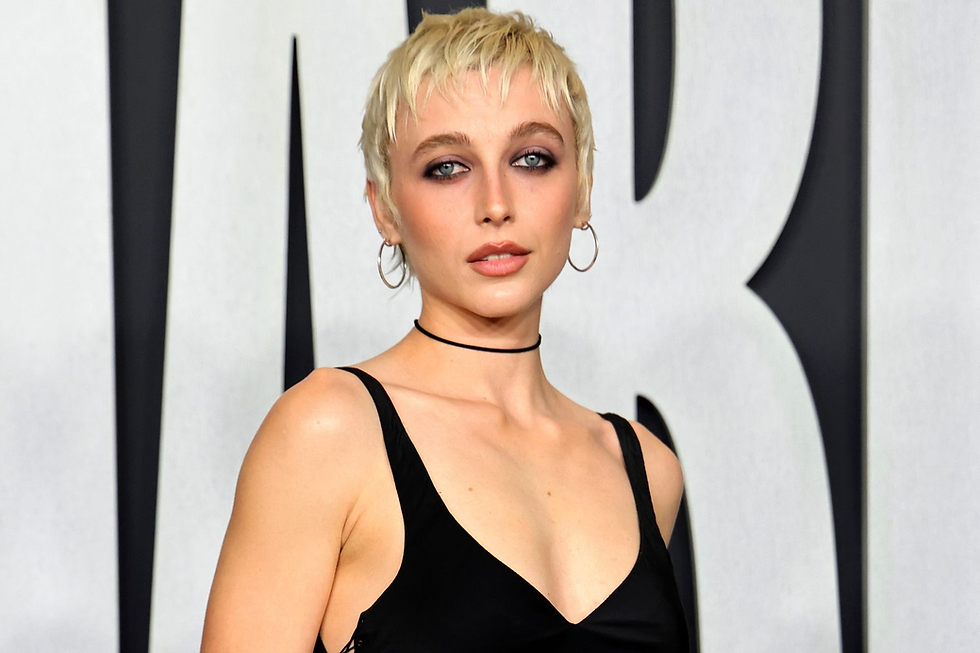
Tilly Norwood was designed by Dutch tech innovator Eline Van der Velden and her London-based studio, using a suite of generative-AI tools like ChatGPT and ElevenLabs. After months of digital sculpting, voice-modelling, and character-development the team launched her in a comedy sketch this summer. Overnight, Tilly’s image, a British young woman with striking looks flooded social media. Her presence drew acclaim, controversy, and lucrative opportunities.
Meanwhile Xania Monet, a smooth-voiced R&B singer born not in a studio but in a line of code, scored headlines when she became the first AI artist to chart on Billboard. Her debut tracks caught the industry’s eye, and she reportedly signed a multimillion-dollar record deal. For many, the idea of a “bot” singer reaching the charts felt like science fiction or a warning.
To some creators and tech optimists the success of Tilly and Xania represents a fresh frontier: a future where creatives and machines collaborate, where budgets shrink and storytelling expands, where barriers to stardom are replaced by bandwidth and imagination. Van der Velden says Tilly is not meant to replace human actors but to serve as a new kind of “storytelling tool,” one that can exist in worlds unconstrained by physical limitations.
But the bright promise carries a darker undercurrent. Many actors, musicians, and industry voices view AI stars as existential threats to human talent. For some, the realism of Tilly’s face, expressions, and voice calls into question the relevance of human performers. For others, the very idea of being replaced by a digital construct feels like a betrayal of the art of performance.
Critics have expressed unease about more than just livelihoods. They warn of distorted standards of beauty and authenticity. AI celebrities like Tilly never age, never tire, and never show vulnerability qualities that risk redefining expectations for real humans striving to succeed in appearance-driven industries.
Still, creators of AI stars argue there’s space for both real and digital talent. The studio behind Tilly is reportedly preparing to launch dozens more AI actors and even digital “twins” for real performers, offering a hybrid model that blends human and artificial creativity. For them, AI represents innovation, an expansion of what counts as performance, identity, and celebrity.
Whether this will amount to evolution or erasure remains uncertain. Are we watching the birth of a new kind of artistry or the slow obsolescence of human performers in a world that can simulate perfection on demand? For fans and skeptics alike this moment forces a reckoning with the nature of fame, the value of authenticity, and the cost of convenience in a digital age.


Comments