That Perfect Outfit Video May Be AI. Check These Clues Before You Buy the Clothes

A perfect outfit video used to offer a kind of evidence. Viewers could watch fabric move, see how a waist sat on a real body and decide whether a product looked convincing outside a studio photograph. Generative video has weakened that assumption. Fashion clips can now show garments, people and rooms that never existed together, while shopping links lead to a real product that may look very different when it arrives.
The concern gained attention after slow-fashion creator Lottie warned followers about viral outfit videos that appeared real at first glance. Reports on the trend described viewers admiring styling and asking for links before recognizing signs of artificial generation. The problem is not that every synthetic fashion image is deceptive. It is that a try-on format implies direct experience, and that implication can influence a purchase even when no one wore the item.

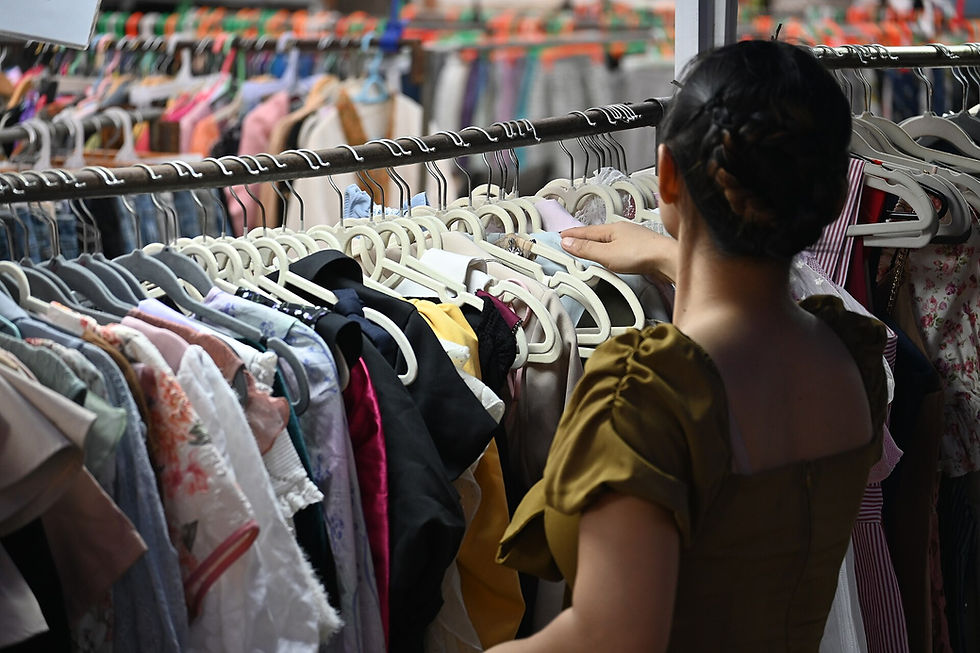
A polished fashion clip is not proof that the garment moves, fits or even exists exactly as shown. Image: Glenn Francis / CC0
Start with the garment edges. Watch cuffs, straps, hems and waistbands as the person turns. In an AI-generated clip, a strap may melt into hair, a sleeve may change length or a pattern may lose alignment between frames. Real fabric folds in complicated ways, but its seams remain attached to the same places. Slow the video if the platform allows it. Errors that disappear at normal speed often become obvious frame by frame.
Hands remain useful, although they are no longer an automatic giveaway. Look for fingers that change shape while touching a bag or waistband, jewelry that vanishes and nails that alter between shots. Then check the interaction itself. A real hand compresses fabric and casts a consistent shadow. Synthetic contact can look weightless, as if the hand passes over the outfit instead of gripping it.
Movement reveals another layer. Hair, earrings, loose sleeves and background objects should respond to the same motion and light. If the person turns while the garment seems to slide across the body, or if the mirror reflection moves a fraction late, be cautious. Repeating gestures and unnaturally smooth camera movement can also indicate generation. No single clue proves a fake, but several inconsistencies deserve a pause before purchase.
Listen as well as look. Lip movement may not match speech, room sound may feel too clean and spoken product details may remain vague. A trustworthy try-on usually mentions size, height, fabric, stretch, lining and the part that did not fit perfectly. Synthetic sales content often emphasizes appearance while avoiding measurable facts. The absence of useful detail matters even if every pixel looks convincing.
The strongest check happens away from the video. Open the seller’s product page and compare the neckline, hardware, print placement and back of the garment. Search the image with another service, read reviews with customer photos and look for the same piece on unrelated sites. If every account uses the identical clip but no customer shows the item in ordinary light, the advertising may be doing more work than the product.
Disclosure can help, but labels are inconsistent and viewers should not assume an unlabeled video is real. Some creators use AI openly for inspiration or fantasy styling, which is different from presenting generated footage as proof of fit. The ethical line becomes clearer when money changes hands. If a synthetic try-on sends viewers to an affiliate product, the creator and seller should explain what was generated and what was actually tested.
Protect the transaction as well as the expectation. Check the return window, who pays return shipping, whether the seller lists a physical business address and how disputes are handled. Use a payment method with buyer protection. Screenshots of the listing can preserve the claims made at the time of purchase. These steps will not improve a disappointing dress, but they can make the difference between a return and a loss.
AI fashion content will become harder to identify, so the goal cannot be winning a permanent visual guessing game. The better habit is to treat every viral clip as inspiration until independent evidence supports the product. A beautiful outfit may still lead to a good purchase. It should not bypass the same questions shoppers ask in a fitting room: Is this the real garment, how does it behave and what happens if it arrives looking nothing like the promise?

Comments