Looksmaxxing Influencer Clavicular Avoids Jail Time in Viral Alligator Shooting Case

15 May 2026
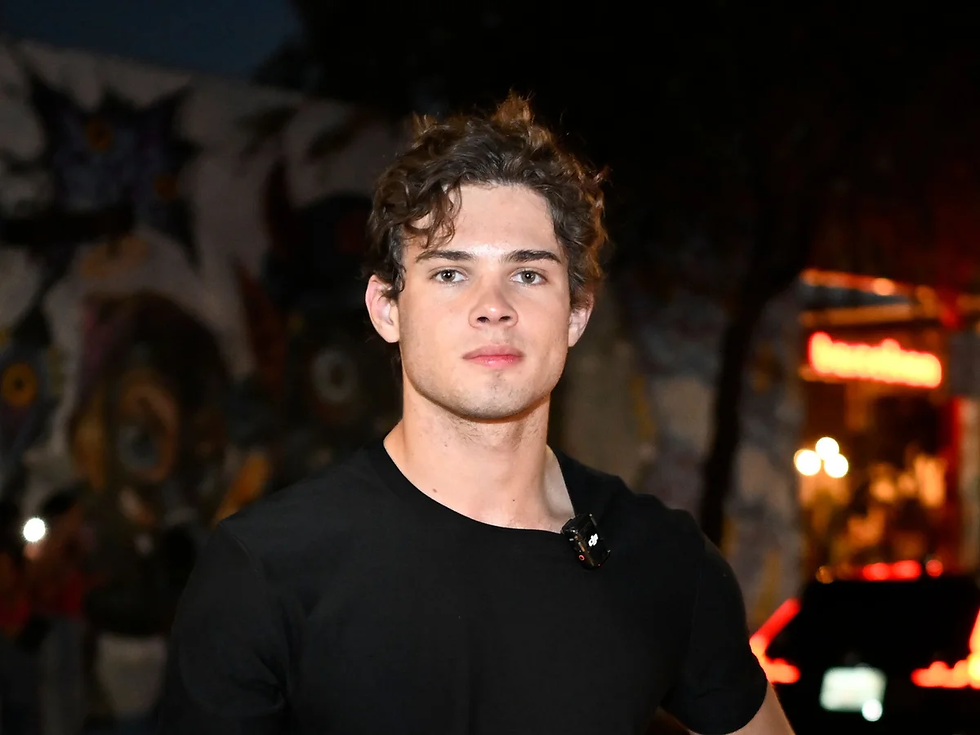
The strange world of internet fame collided once again with real world consequences this week after controversial influencer Braden Peters, better known online as “Clavicular,” reached a legal agreement in a Florida case tied to a viral alligator shooting video. The 20 year old social media personality, whose online identity revolves around “looksmaxxing” culture and hyper masculine self improvement content, avoided jail time after pleading no contest to charges connected to the incident that sparked outrage across social media earlier this year.
The controversy began in March when videos surfaced online allegedly showing Peters and another influencer, Andrew Morales, firing weapons from an airboat in the Florida Everglades while targeting an alligator in the water. The footage spread rapidly across platforms like X and TikTok, drawing widespread condemnation from wildlife advocates, local officials, and even many within influencer culture itself. Critics accused the group of treating wildlife cruelty like entertainment content designed purely for viral engagement and online attention.
Authorities launched an investigation soon after the clips began circulating online. According to reports, Peters and Morales were accused of unlawfully discharging firearms in a public area inside the Francis S. Taylor Everglades Wildlife Management Area. Prosecutors ultimately reached plea agreements with both men that allowed them to avoid incarceration. Under the deal, they were sentenced to six months of probation and ordered to complete 20 hours of community service, though officials added an unusual condition. The service work cannot be filmed, livestreamed, or monetized online in any way.
The agreement also requires the influencers to complete firearm safety and wildlife education courses. Prosecutors reportedly pushed for the educational component to address concerns about reckless behavior involving both weapons and protected ecosystems. Peters’ attorney stated that the influencer accepted responsibility for his conduct and cooperated throughout the legal process. A third individual tied to the case, social media personality Yabdiel Anibal Cotto Torres, known online as “Baby Alien,” is expected to enter his own plea separately.
For many observers, the case became symbolic of a growing problem involving internet personalities chasing increasingly extreme content for attention. Peters belongs to a corner of online culture built around “looksmaxxing,” a trend focused on maximizing physical appearance, masculinity, fitness, and perceived attractiveness through aggressive self optimization techniques. The movement has exploded among young male audiences online, particularly on TikTok, YouTube, and niche internet forums. While some supporters frame it as self improvement culture, critics argue parts of the community encourage toxic behavior, obsession with image, and reckless attempts to go viral.
The alligator shooting incident was not the only controversy surrounding Peters in recent months. Reports indicate he has faced additional legal and personal troubles, including a battery arrest in Fort Lauderdale and a hospitalization in Miami following a suspected overdose. Those incidents have further fueled public debate about the darker side of influencer culture, where constant pressure to remain relevant can blur the boundaries between performance, recklessness, and real life consequences.
Online reactions to the plea agreement have been sharply divided. Some users argued the punishment was too lenient considering the seriousness of the allegations and the influence these creators hold over younger audiences. Others viewed the outcome as a warning shot rather than a career ending scandal. Still, many critics noted that the bizarre nature of the case itself reflects how internet fame increasingly rewards outrageous behavior that would have once remained unthinkable as public entertainment.
As influencer culture continues evolving, cases like this highlight the growing challenge authorities face when online spectacle spills into dangerous real world actions. Viral fame may move quickly, but legal consequences often arrive much slower. For Clavicular, the alligator shooting video may have generated millions of views, but it also transformed internet controversy into a criminal case that could permanently follow his public image moving forward.


Comments