Influencer Culture Is Turning College Into a Content Routine, Not a Reality
- Nov 5, 2025
- 2 min read
05 November 2025
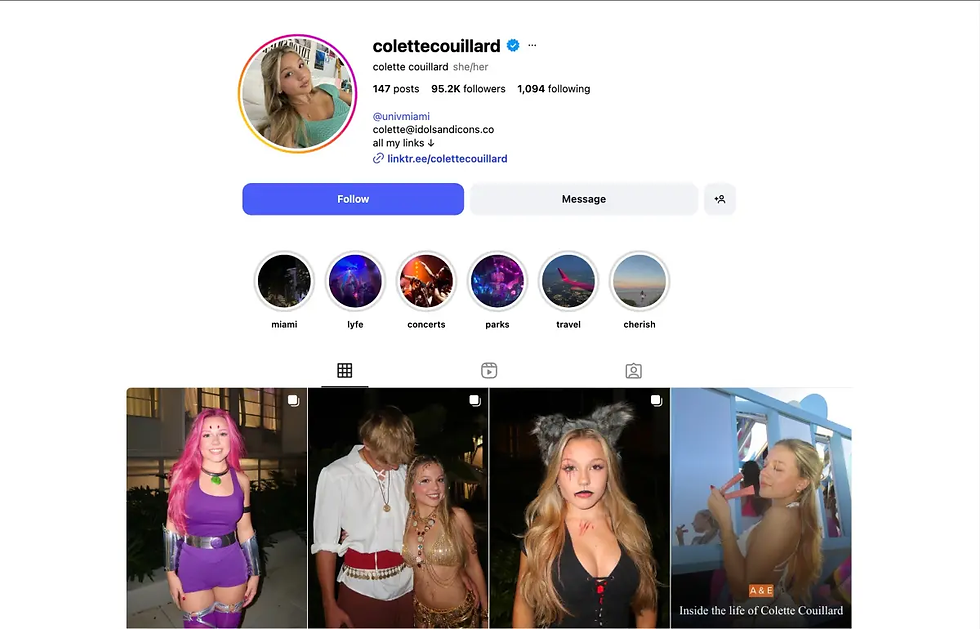
On campuses across the country, the traditional college experience of learning, friendships and self-discovery is being quietly overwrought by a new motivation: building a social-media persona and chasing followers, likes and brand deals. The story at University of Miami provides a striking example. A student newspaper cover titled “Freshman Influencers Take Over TikTok” featured three incoming freshmen with hundreds of thousands of followers, sparking public envy among their peers. One freshman known only as "Sienna," who has 24,000 followers, tearfully admitted that while she too uses social media, she felt sidelined during the cover shoot and membered that “micro influencers don’t get enough recognition.”
What once was a period to explore academic interests, dorm life and campus culture now often doubles as a content-factory: students film “Get Ready With Me” videos from dorms, document sorority rushes, post tearful rejection clips and tag every moment as either viral potential or brand opportunity. Sorority houses long seen as social-life hubs now stage choreographed rule-break videos designed to rattle algorithms. At the University of Arizona, a TikTok of sorority sisters dancing to “Sweet Escape” amassed 41.4 million views, and the lead dancer landed a trip to New York Fashion Week with her mother courtesy of a brand deal.
The op-ed argues this isn’t harmless fun. It suggests that students increasingly view college not as a formative stage of life but as raw material for influencer markets. Blooming followers and brand deals, rather than textbooks and friendships, can dominate priorities. Living for the lens risks leaving the self-experience behind. The article warns that the campus of the future may remember less the joy of late nights in the quad and more the anxiety of follower counts, the grind of content scheduling and the emotional toll of being “visible” while growing up.
This trend raises serious questions about what college is meant to be. Is it a private space for personal growth, or a public stage for personal branding? When the goal becomes content creation, do students still learn for thinking’s sake or for trending? The author argues that incentivizing constant exposure turns life into a sequence of upload-ready moments, and in that process the college of authentic experience risks becoming a branded marketplace. Beyond Instagram stories, the article suggests, students may graduate with followers but miss genuine friendships, quiet self-discovery and the regrets that come from being fully present in life rather than perpetually posting it.


Comments